


featuring PEACH FUZZ
GARAGE SALE
Garage Sale
New items each week!
Piece of the Sky
DON’T MISS OUT!
Sign up to receive our weekly newsletter (at the bottom of the page) to see new one-of-a-kind items and new sales added every week!
Best Selling Space Art
-
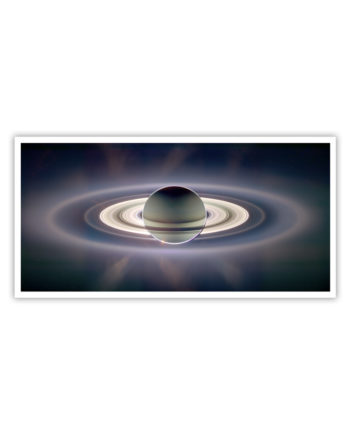
Saturn in Eclipse
$15.00 – $190.00 Select options -

Ladies of the Lake
$29.99 – $340.00 Select options -
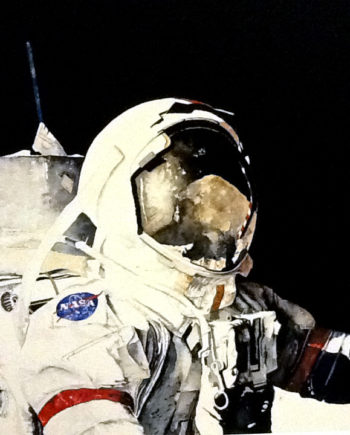
Our Legacy
$275.00 – $550.00 Select options

Autographed Photos
-
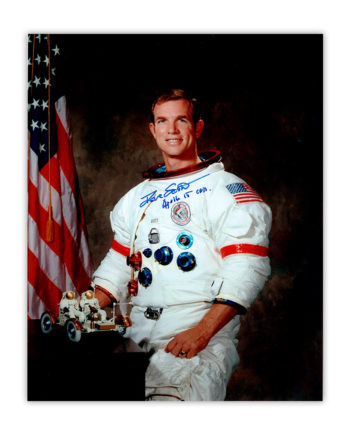
Dave Scott – Portrait 8×10
$410.00 – $630.00 Select options -

Gene Cernan – Onboard 8×10
$625.00 – $845.00 Select options -
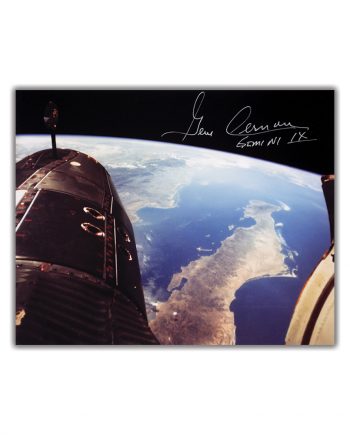
Gene Cernan – Gemini 9 Over Baja 8×10
$625.00 – $845.00 Select options -
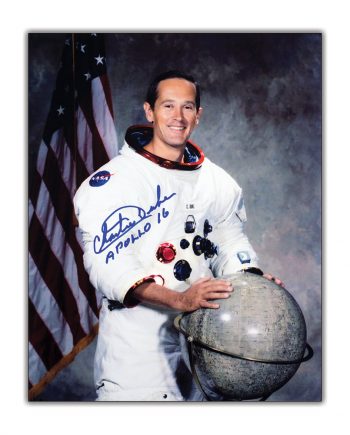 Out of stock
Charlie Duke – Portrait 8×10
$225.00 – $445.00 Select options